
Curing STXBP1
Driving the research for a cure
STXBP1 Australia works with multiple collaborators and stakeholders to support research that accelerates the development of therapies for our patient community. By fostering partnerships with researchers, physicians, medical industry leaders and other foundations, we share learnings and efficiencies to increase awareness of this rare genetic disorder and identify therapeutic strategies.
Our research
Our pathway to a cure
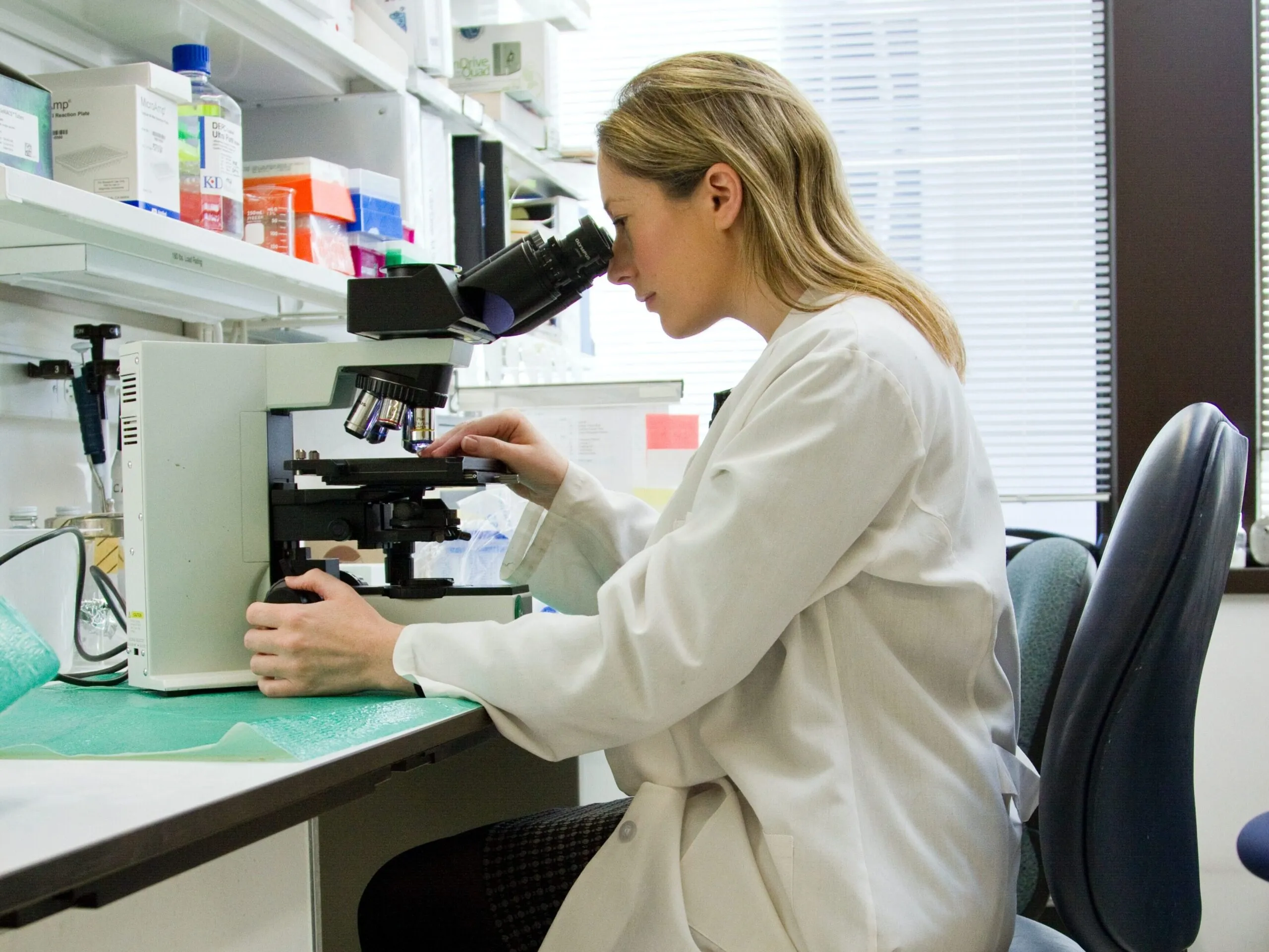
We believe a cure is possible. Our research follows a three-step pathway, from understanding the disorder, to testing gene therapies in the lab, to pioneering them into human clinical trials.
-
Step 1: Establish biomarkers
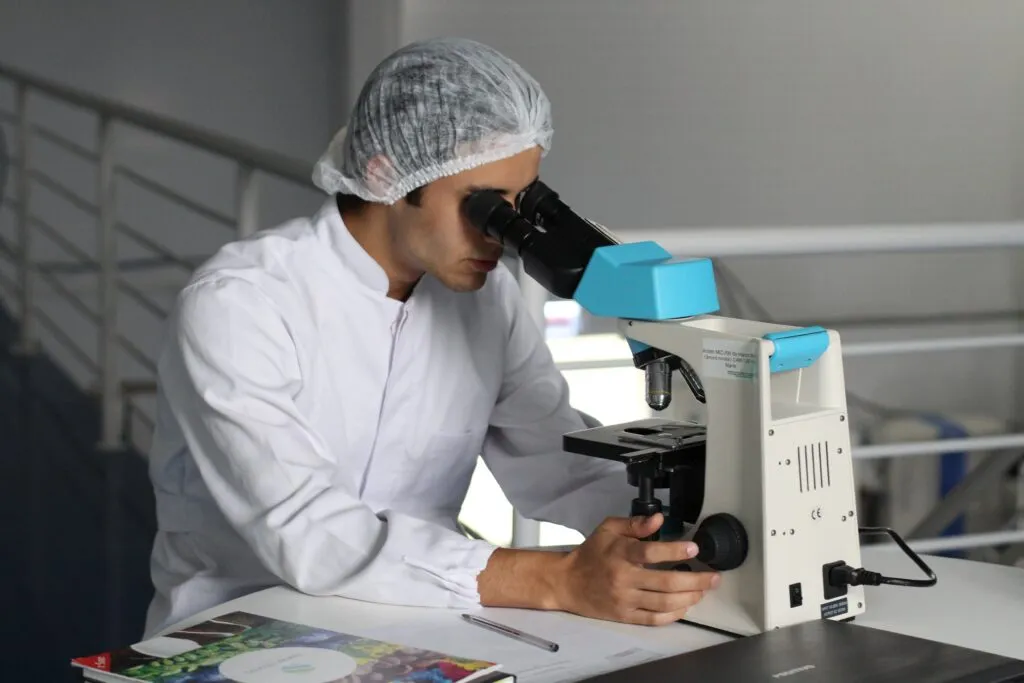
Better understand the disorder by identifying useful biomarkers and disease drivers. We will achieve this by measuring the genes, proteins and metabolites in patients with an STXBP1 disorder.
-
Step 2: Gene therapy
Test innovative gene therapies. We will collect patient blood cells and turn them into stem cells to create a lab model to test the response of various gene therapies.
-
Step 3: Clinical trials
Using the successful gene therapy from the lab results, we will pioneer the therapy into human clinical trials for those affected by STXBP1 disorder.

This is who the research is for
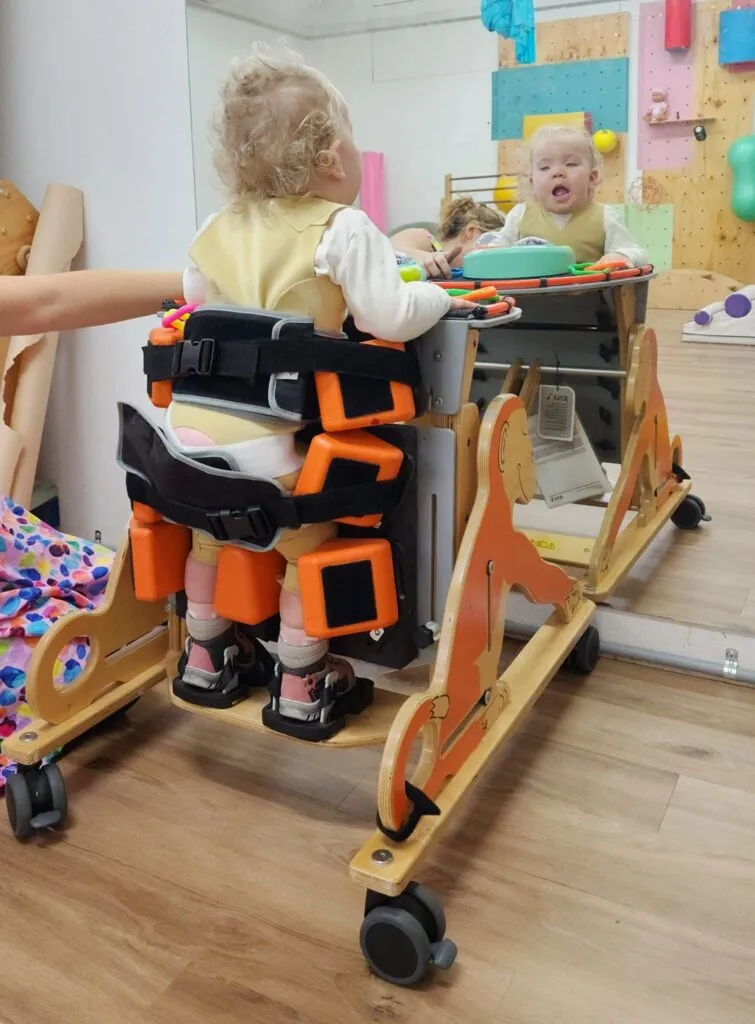
Children like him work on balance, strength and every small step in therapy, week after week. Each stage of this pathway brings a treatment that could change their lives a little closer.
Fund the next stepOur partnership
Partnering with the University of Sydney
STXBP1 Australia has partnered with the University of Sydney and Professor Wendy Gold's Molecular Neurobiology Lab to understand disease-specific biomarkers in people with an STXBP1 disorder, and to develop gene therapies using lab-grown brain organoids.
About the partnershipWe also partner with Dr Laura Croft at QUT on personalised antisense (ASO) therapies, and are now building patient-derived cell models to test them. About the QUT partnership →
Understanding STXBP1
The genetics behind STXBP1 disorders
What is the ninth chromosome, and what does it do? In this video, Dr Kristen Park from the Children's Hospital of Colorado explains how a mutation in STXBP1 occurs.
The evidence base
Published journals
Mutations in STXBP1 were first identified in 2008 in five patients with a devastating early infantile epileptic encephalopathy. Today there are over 3,000 medical journal articles referencing STXBP1 disorder.
Browse key publications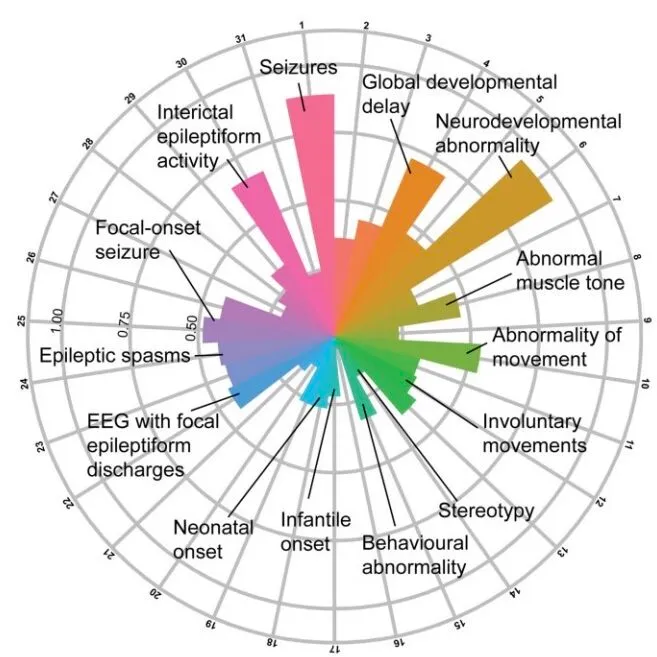
“Medical science has proven time and again that when the resources are provided, great progress in the treatment, cure and prevention of disease can occur.”
Research takes funding. Every donation helps us move along the pathway, from biomarkers, to gene therapy, to clinical trials, and closer to a cure for STXBP1.
Donate to fund research