

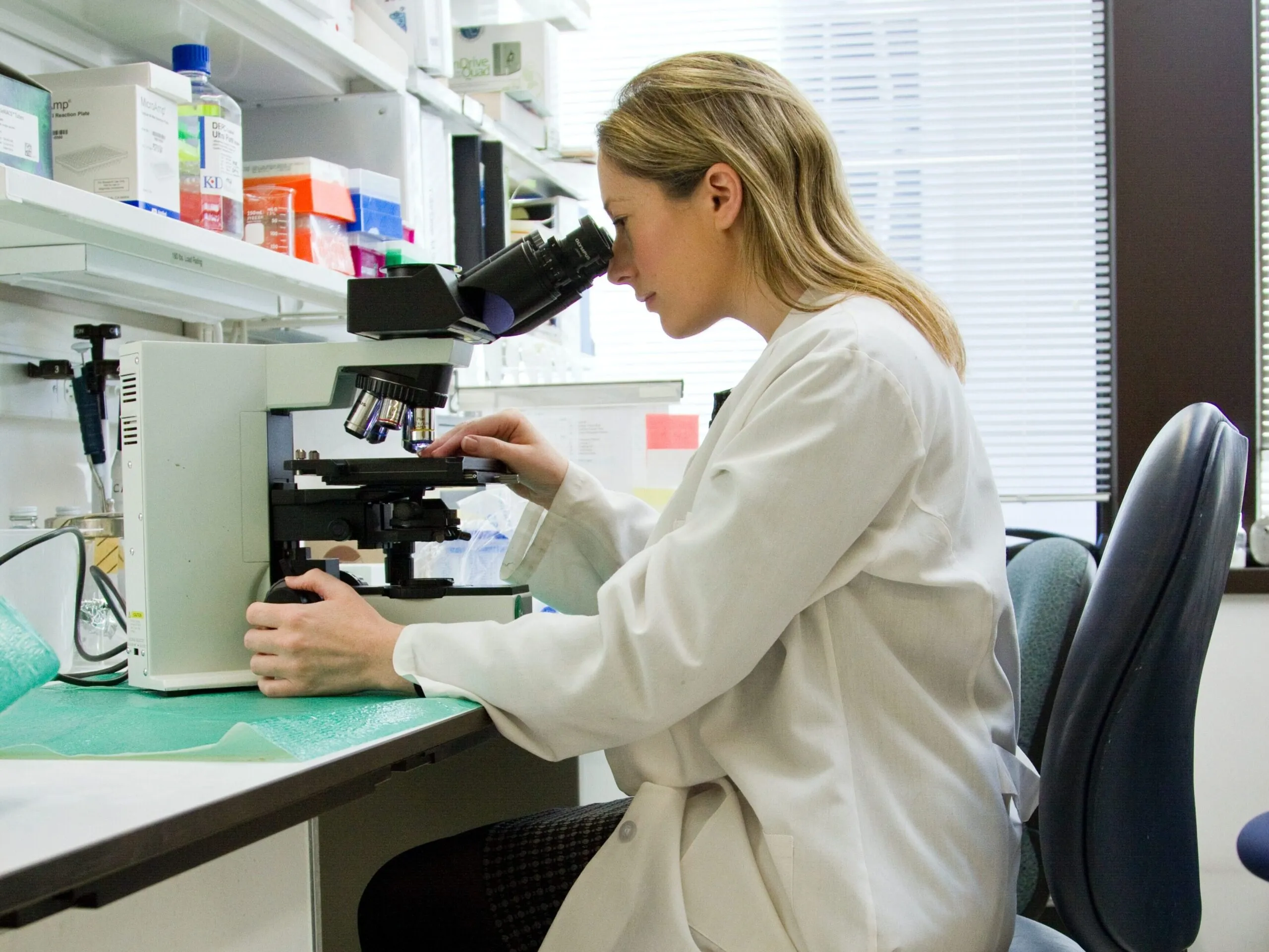
STXBP1 Australia has partnered with the Queensland University of Technology (QUT) and Dr Laura Croft at QUT’s Centre for Genomics and Personalised Health to work towards personalised genetic medicines, called antisense oligonucleotides (ASOs), for Australians with an STXBP1 disorder.
Right now, we are building patient-derived cells. This is the essential step that lets researchers see exactly what an individual child’s genetic change does, and test whether an ASO can correct it.
In progress: building patient-derived cells
Working with a blood sample generously donated by an Australian family, researchers are turning the child’s own cells into stem cells (induced pluripotent stem cells, or iPSCs). These stem cells can be grown in large numbers and turned into neurons in the lab, giving a living model of how an STXBP1 disorder affects that child’s brain cells.
Alongside them, gene editing (CRISPR) is used to create a matched “corrected” copy of the same cells, identical in every way except that the genetic change has been fixed. Comparing the two side by side shows precisely what the change does, and gives a realistic, disease-relevant place to test whether an ASO can repair it.
This stage will deliver:
- a patient-derived stem cell line carrying the child’s STXBP1 genetic change
- a matched, gene-corrected control line
- the validation needed to confirm both lines are ready for testing
How we got here
Every person with an STXBP1 disorder has their own genetic change, and not every change can be targeted with an ASO. So the partnership began with a pilot project, Assessing the Molecular Eligibility of the Australian STXBP1 Patient Cohort for Individualised ASO Therapy Development.
What are ASOs?
Antisense oligonucleotides are short, man-made strands of genetic material. They are designed to attach to a specific piece of a gene’s message (its RNA) and change how that message is read. Depending on the design, an ASO can help a cell skip over an error, correct the way a gene’s message is spliced together, or make more of a protein that is in short supply.
In most STXBP1 disorders, a change in one copy of the gene leaves too little working STXBP1 protein. That makes STXBP1 a strong candidate for treatments that restore or boost the protein, and ASOs are one of the most promising ways to do it. Because every family’s genetic change is different, these treatments are often designed for an individual child.
Meet the researcher
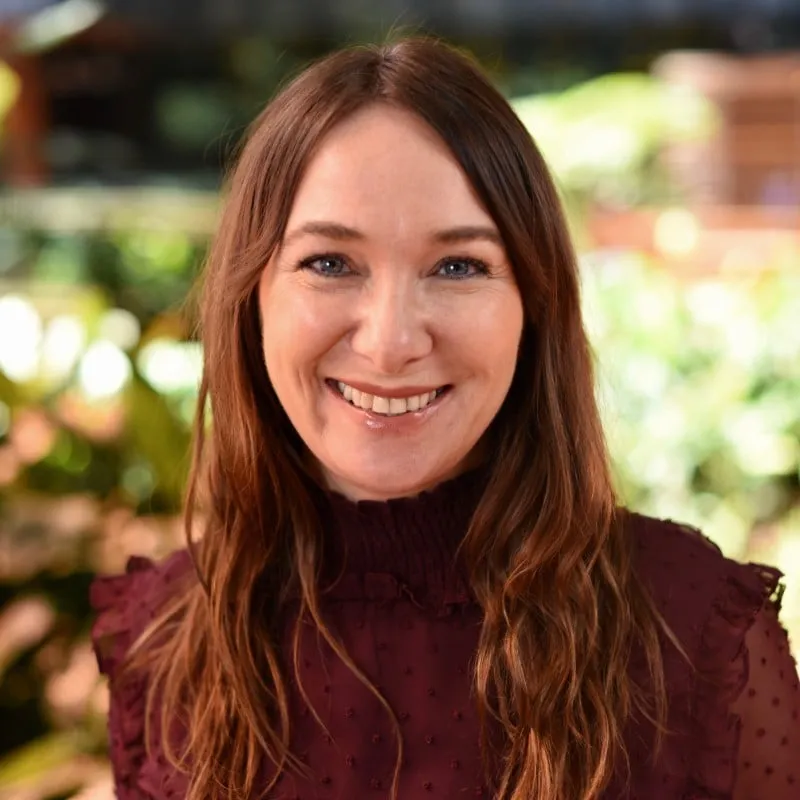
Dr Laura Croft is a senior scientist and group leader at QUT’s Centre for Genomics and Personalised Health, in the Faculty of Health’s School of Biomedical Sciences. Her work focuses on oligonucleotide therapeutics, including the development of personalised ASO treatments for children with rare neurodevelopmental disorders. She is a co-author of international consensus guidelines for assessing whether a genetic variant is eligible for ASO treatment. View Dr Croft’s QUT profile.
What comes next
Once the patient-derived cells are ready, the next stages are to:
- Grow the cells into neurons and measure how the genetic change affects them, compared with the corrected cells.
- Design and test ASOs in these neurons, to see whether they can correct the problem and restore STXBP1 protein.
- Test the most promising ASOs in animal models, and then in human clinical trials, so that a treatment proven safe and effective in the lab can reach Australian children. Every step is powered by Australian research funding and by donors like you.
Every stage brings a personalised treatment for Australian children a step closer, and every donation helps fund the next one.